Why bi-erasure is so harmful
To be included is to be seen. So when you’re ignored, dismissed or forgotten about, it can really sting. In the LGBTQIA+ community, bi erasure is a very prevalent example of this.
EDUCATIONOPINION
Flora Irvine-Hall
2/9/20264 min read
Bi erasure can happen in a number of ways [Image: Unsplash]
Bi erasure has been an issue since the dawn of time. And while things have gotten better, it’s still an issue that many bisexual people have to deal with.
So what is bi erasure? According to Oxford Review, bi erasure refers to “the dismissal, negation or minimisation of the existence and validity of bisexuality as a sexual orientation.”
Bi erasure can happen in a number of different ways. It can happen socially (friends and family denying your bisexuality,) through media (tv shows and films ignoring its very existence) and even within LGBTQIA+ spaces.
On the reddit forum r/bisexual, users shared some of the worst experiences that they’d experienced from the LGBTQIA+ community.
One user wrote about their not-so-positive experience of dating apps:
“Several gay guys on dating apps accuse me of using them to experiment or possibly be tricking them because I was bisexual, therefore I am either confused or can’t make up my mind.”
Another user wrote about the stigma that she’d face as a bisexual woman:
“I’m a bi woman-lesbians saying they don’t want to risk dating me because I’m much more likely to cheat on them, also people on dating apps automatically assuming I want threesomes because I’m bi.”
Other users shared their frustration of being treated like they were using bisexuality as a stepping stone for coming out as gay.
“Having my family accuse me of being gay. When I was outed, they didn’t respect my preferences and just said I was gay, there’s no way I like women.”
Another had a similar experience, stating that:
“The girlfriend of an acquaintance told another friend that she didn’t know who I was kidding saying I was bi when I’m clearly a lesbian just stuck in the closet.”
One user shared their frustration of ‘not looking queer’ enough. They said:
“Being told I don’t look like I belong at pride fest. Has occurred several times.”
Another user replied to this comment, also relating to this problem:
“As a relatively masc bi dude I feel this. I don’t feel welcome in many ‘queer spaces’ despite being out and proud.”
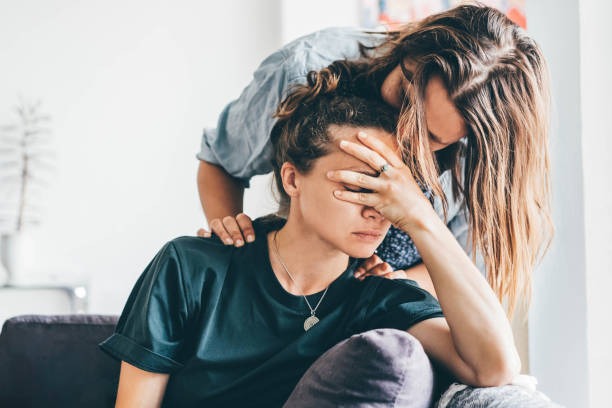
"Having my family accuse me of being gay" [Image: Getty Images]
It goes without saying that bi erasure is incredibly hurtful. A 2018 report from the Open University reported that bisexual people higher rates of depression, anxiety, self-harm and suicide. This shows that rejection can be fatal. As human beings, we need community to thrive.
As previously stated, biphobia can present itself in a number of ways. This is prevalent in the ways that different genders are treated due to their bisexuality.
Bisexual women for instance, are very often sexualised and seen as promiscuous. Writer and poet Orion Carloto shared her experience of unwanted sexualisation in an opinion piece from Bazaar.
“I want to trust that my bisexuality has merit, yet I’m often encountered with obvious fetishisation accompanied with the odd belief that I’d let them watch as if I owe it to them,” she wrote.
And things aren’t any better for bisexual men. An APA PsycNet report conducted a study looking into the stereotypes of bisexual men. The study had 232 participants observing different types of dates. These were: a bisexual man on a date with a heterosexual woman, a bisexual man on a date with a gay man, a heterosexual man on a date with a heterosexual woman and a gay man on a date with another gay man. The findings from the survey revealed that compared to straight and gay men, participants saw bisexual men as confused, untrustworthy and unable to maintain a long-term, monogamous relationship.
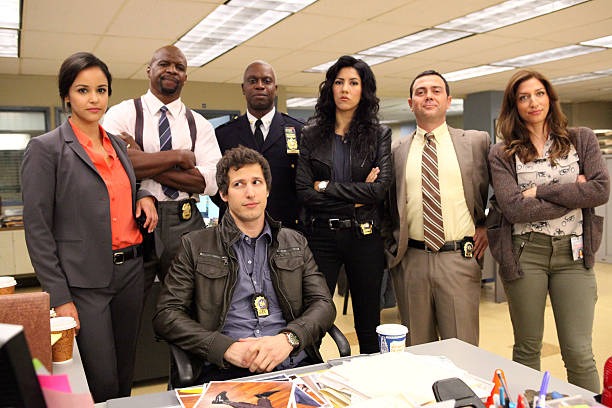
Rosa Diaz is bisexual [Image: Brooklyn Nine-Nine, Getty Images]
It's not to say that there’s no good bisexual representation in the media. Characters such as Rosa Diaz from Brooklyn Nine-Nine and Daryl Whitefeather from Crazy Ex-Girlfriend are great examples of positive bisexual representation. But there’s still a major issue with bi erasure. For example, in season six of Desperate housewives, Katherine Mayfair, who has only ever been with men, falls in love with a woman. The whole storyline revolves around whether Katherine is gay or straight. There’s never any talk of her being bisexual. Katherine is a character that has been shown to have romantic and sexual attraction to men in the past but now that she’s with a woman, it means that she’s gay.
This narrow-minded level of thinking is extremely harmful for bisexual viewers. It reinforces the idea that they can only be one thing or the other and that there’s not an in between.
It's like television and film writers are allergic to the word bisexual. When a character dates or experiences attraction to more than one gender, they’ll often go down the “I don’t do labels” route. Of course, lots of people don’t want to label their sexuality, which is absolutely fine but as a bisexual viewer, having the term be treated like some kind of curse word is incredibly frustrating.
In a world full of hate, why are we isolating people as part of our own community? Right now, in a scary and unpredictable political climate, it’s more important than ever that we stick together.
Remember, the b stands for bisexual, not bullshit.